With the 2026 midterm elections just days away, Democrats and Republicans are fighting hard to win control of the U.S. Senate. Democrats are trying to win in states that usually support Republicans, while both parties are also thinking about the 2028 presidential election.
Democrats Target Republican Strongholds
Democrats have made an unexpected move in Mississippi, a state where Republicans usually win by large margins.
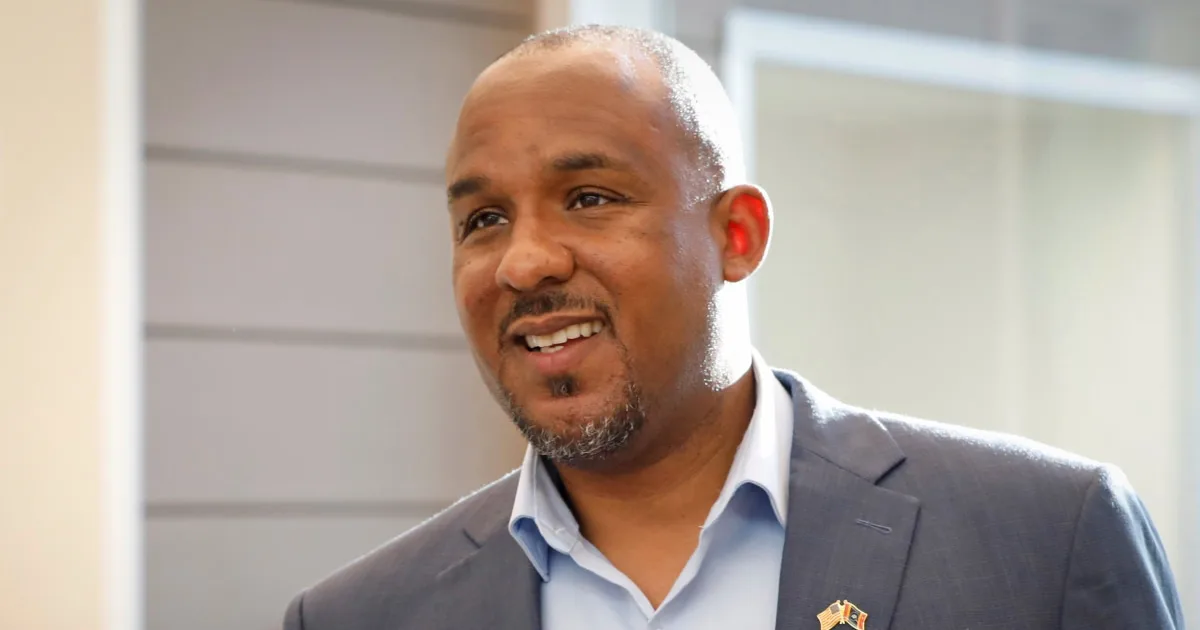
The main Democratic Senate campaign group recently spent $1.3 million to support Scott Colom, a Black lawyer and prosecutor running against Republican Senator Cindy Hyde-Smith.
Republicans responded with a $1.4 million advertising campaign attacking Colom.
Mississippi has long been a strong state for Republicans. The last Democrat it sent to the U.S. Senate was in 1982. In the 2024 election, Republicans won the state by more than 20 percentage points in both the presidential and Senate races.
Even so, Democrats' decision to spend money there has forced Republicans to defend a state they once considered safe.
President Donald Trump is also planning to visit Mississippi to campaign for Hyde-Smith just eight days before Election Day.
Republicans already face difficult races in several states Trump won by large margins, including Iowa, Texas, Ohio, Alaska and Kansas. Spending more money to defend Mississippi could leave them with fewer resources for these other contests.
But Democrats also face a risk. By challenging Republicans in more states, they have raised hopes that they could win control of the Senate.
Some Democratic strategists worry that supporters may begin expecting too much before the votes are counted.
A Strong Election Result May Still Disappoint Democrats
Democrats have several difficult goals if they want to take control of the Senate.
They must defend their own seats in competitive states such as Michigan and Georgia. They also hope to defeat Republicans in North Carolina, Maine and Texas.
Maine is especially important because Republican Senator Susan Collins has held her seat for decades. Texas is another major target because Republicans have controlled its Senate seats for many years.
Imagine Democrats protect all their current seats, win North Carolina, defeat Collins in Maine and finally win a Senate seat in Texas. Even with all those victories, Republicans could still control the Senate if they hold their other seats.
Under that example, Democrats would have 50 seats, one short of a majority. Vice President JD Vance could then cast the deciding vote for Republicans.
By historical standards, such a result would be a major success for Democrats. They could also win control of the House of Representatives.
However, many Democratic voters might still see the result as a failure because the party would not have enough Senate power to block Trump's plans or stop his choices for important government jobs.
That is why some Democratic leaders are trying to keep expectations under control.
One Democratic strategist said that states Trump won by 20 points were now becoming competitive. The strategist argued that this showed Republicans were struggling to connect with voters' everyday concerns.
Still, the strategist warned that the election was not decided and urged Democrats to keep working to win every vote.
Republicans, meanwhile, say Democrats are raising expectations so high that even a strong result could look like a defeat.
One Republican strategist pointed to past Democratic campaigns involving Jamie Harrison, Amy McGrath and Beto O'Rourke. Those candidates received considerable attention but failed to achieve the victories many supporters had hoped for.
The strategist warned that Democrats could face a similar disappointment this year.
The race remains uncertain, and the final results will determine whether Democrats' strategy of challenging Republicans in traditionally safe states pays off.
Potential 2028 Presidential Candidates Are Already Preparing
While the parties focus on the midterms, another political contest is beginning to take shape: the race for the 2028 presidential election.
South Carolina has become an important stop for Democratic politicians who may want to run for president. More than a dozen well-known Democrats from across the country have visited the state ahead of the midterms.
South Carolina is not one of the main battlegrounds in this year's elections. But it could play an important role in choosing the Democratic presidential nominee in 2028.
No major politician has officially announced a presidential campaign yet. Many possible candidates say they are focused only on helping their party in the midterms.
However, their travel and public appearances are giving them a chance to meet voters, build support and show party members what they might offer as future presidential candidates.
Political observers see this as an early, unofficial contest for the 2028 nomination.
Republican strategist Ron Bonjean said the midterms give possible presidential candidates a chance to practice campaigning and become more comfortable speaking to voters. He believes the next presidential race will begin in earnest soon after the midterm elections.
Why South Carolina Matters
South Carolina is particularly important for Democrats considering a presidential run because of its role in the party's early nomination process.
However, many visiting Democrats have avoided campaigning alongside Annie Andrews, the Democratic candidate running for the Senate in the state.
Democrats face a difficult challenge in South Carolina because Republicans usually win there. Some political strategists believe that appearing too closely connected to a losing campaign could hurt a politician's future national ambitions.
Democratic strategist Jesse Lehrich said that campaigning with Andrews could actually harm the chances of some visiting politicians.
Aides to several potential presidential candidates told NBC News that their bosses were visiting places where they believed they could help bring voters to the polls. They also wanted to reach communities that politicians often overlook.
These visits can help possible candidates build relationships and show that they care about more than the biggest election battlegrounds.
The Midterms Could Shape the Next Presidential Race
The results of the midterm elections will affect more than control of Congress.
They could also help determine which Democratic politicians become leading candidates for president in 2028.
A politician who helps the party win important races may gain more attention and support. A disappointing result, however, could weaken that person's chances.
For now, possible presidential candidates are trying to balance two goals: helping their party in 2026 while quietly preparing for their own political futures.
The coming days will show whether Democrats can turn growing hopes into election victories. They will also offer early clues about which politicians may become major figures in the next presidential race.